Need and intended outcome
We define the professional need and what participants should be able to apply.
Submeet co-designs and delivers professional development for teachers, trainers, school leaders, project coordinators and education staff. We begin with professional and organisational needs, turning learning into tools, practices and competences that can be transferred within the organisation.
Training creates value when it becomes practice, shared knowledge and organisational capacity.
Our specialist areas are a working foundation, not a rigid catalogue.
Content and methods are adapted to participants and to the outcomes they will apply and share within their organisation.
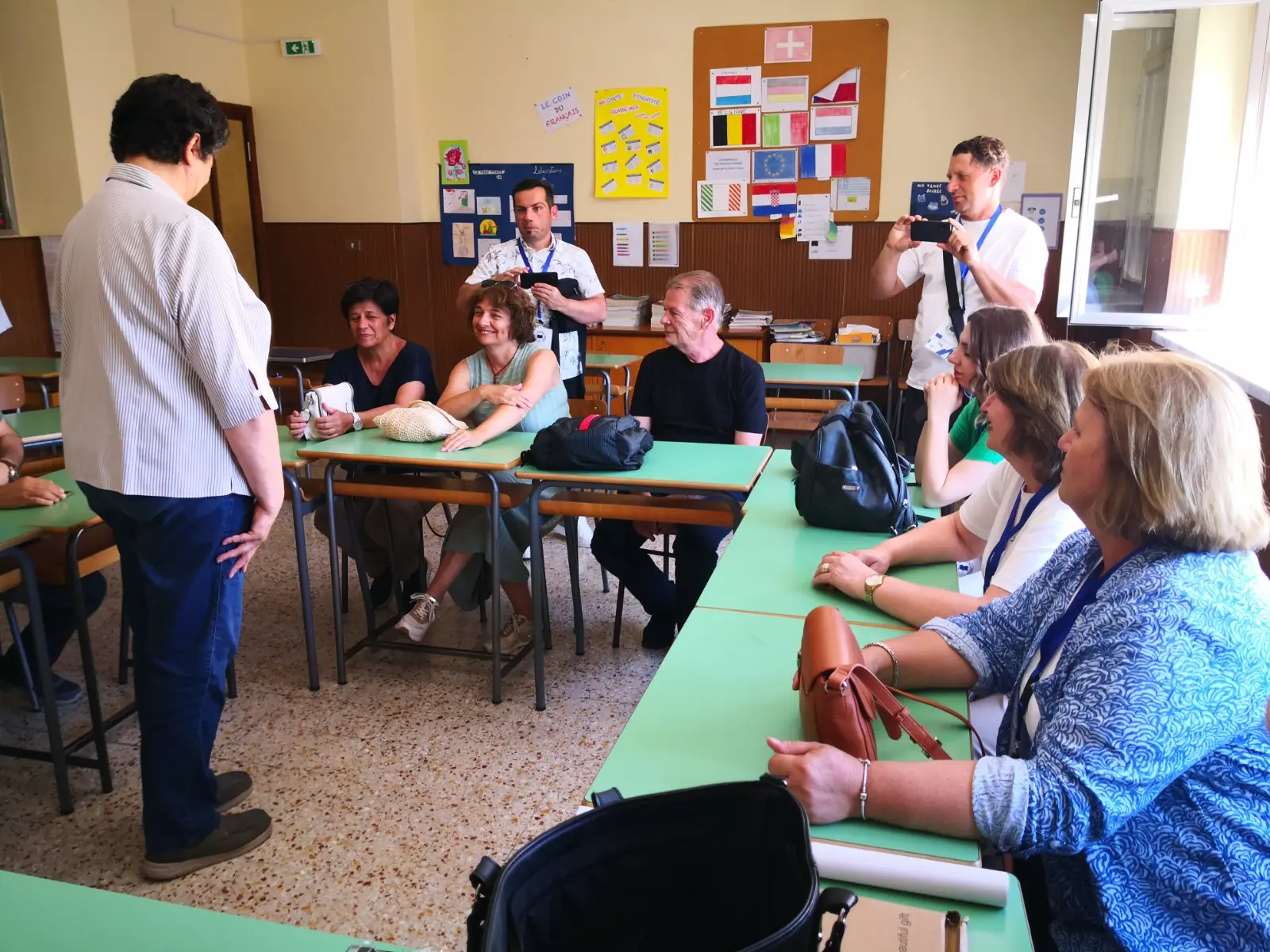
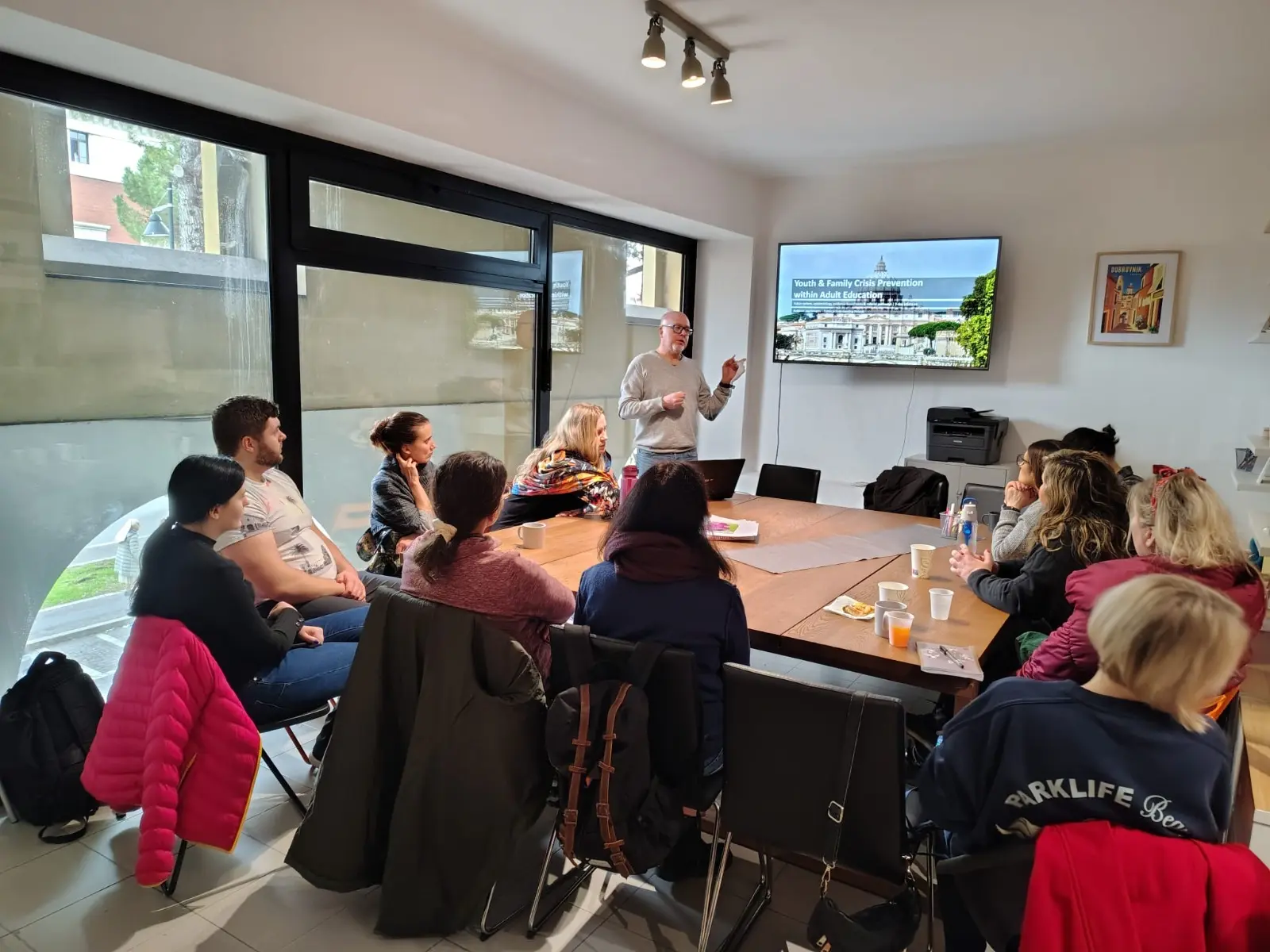
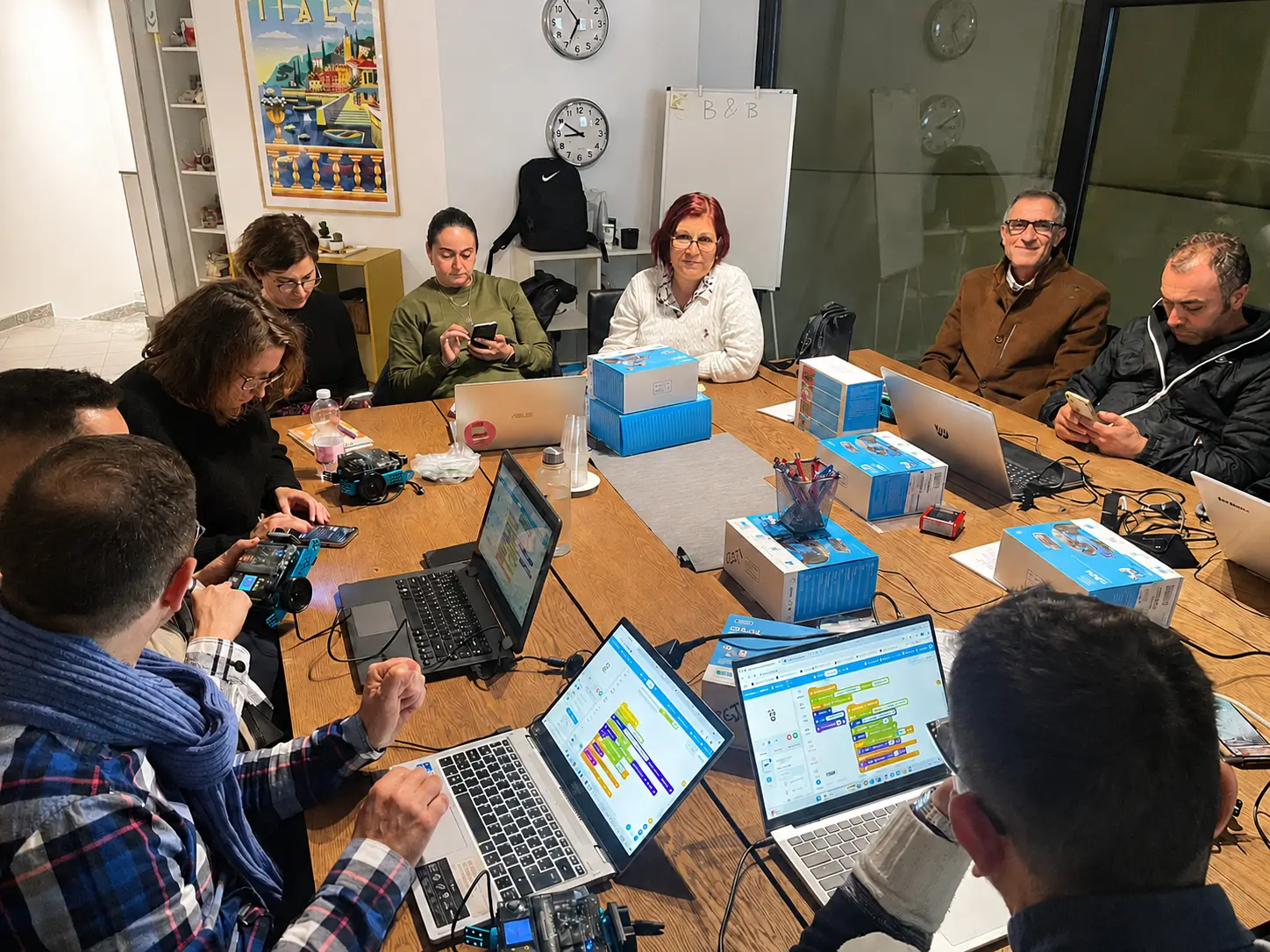
The images show how we work: exchange between people and different contexts, specialist input, workshop activity and tools to transfer into professional practice.
The cards describe our working foundation. Audience, content, activities and outputs are calibrated to the context and intended outcomes.
From needs analysis to a coherent, credible and assessable proposal: not simply completing a form, but building the project logic.
Content and outcomes +School leaders, Erasmus coordinators, teachers, trainers and project teams.
Development of a project concept, an intervention matrix and peer assessment of cases and application extracts.
A project concept, initial logical framework or design matrix tailored to the relevant Erasmus+ action.
The pathway is tailored to the education sector, Erasmus+ action and level of experience. Developing a live application and consortium is a separate project-development activity.
How we co-design this pathway →From an approved application to a well-governed, verifiable project capable of generating impact.
Content and outcomes +Coordinators, project managers, work-package leads, teachers and staff involved in implementation.
Case analysis, indicator design, issue simulations and development of practical management tools.
An implementation plan, quality plan, impact framework or communication and dissemination plan.
The pathway may be delivered in full or focus on Quality and Evaluation, Impact Assessment, or Communication and Dissemination.
How we co-design this pathway →Rules, documentation and control in support of educational quality and sound project implementation.
Content and outcomes +School leaders, Erasmus coordinators, administrative staff, finance leads and project-team members.
Simulations, document analysis, case reviews and the design of internal procedures.
An administrative checklist, monitoring system, responsibility framework or tailored internal procedure.
Content and tools are updated and tailored to the relevant Erasmus+ action and the organisation’s role.
How we co-design this pathway →Methods and tools that make participants active in learning and use technology in support of learning outcomes.
Content and outcomes +Teachers, trainers and education staff.
Tool experimentation, collaborative design, prompt labs and peer review of learning activities.
An activity, learning unit or training sequence ready to test.
The pathway may focus on methods, educational communication, digital skills or AI according to the group profile.
How we co-design this pathway →Recognising difficulties, strengthening participation and building shared educational responses.
Content and outcomes +Teachers, trainers, school leaders, coordinators and education staff.
Scenario analysis and collaborative design of possible response strategies.
An action plan, educational protocol, prevention activity or observation and intervention tool.
Modules are combined according to learner age, participant roles and organisational priorities.
How we co-design this pathway →Creativity, initiative and problem solving to connect learning, real contexts and value creation.
Content and outcomes +Teachers, trainers and education professionals, particularly in VET.
Collaborative development of an idea, challenge or entrepreneurial learning experience.
A learning unit, project challenge or concept ready to use with learners.
Cases and challenges are tailored to the education level, sector and participants’ professional contexts.
How we co-design this pathway →Understanding processes, reducing inefficiency and building continuous improvement through people’s involvement.
Content and outcomes +School leaders, coordinators, project leads, education and administrative staff.
Analysis of a real process, simulations, identification of issues and improvement design.
A process map, improvement plan or organisational procedure developed in the workshop.
The pathway can focus on school management, vocational training or project processes.
How we co-design this pathway →Building competences, processes and responsibilities that make the international dimension sustainable.
Content and outcomes +School leaders, Erasmus and international-relations coordinators, teachers, trainers, administrative staff and internationalisation teams.
Self-assessment, case analysis, peer discussion, internal competence mapping and a workshop on development priorities.
An Internationalisation and Capacity Building Roadmap covering priorities, competences, responsibilities, tools, actions and indicators.
The course develops methods and competences. Support applied to a specific organisation’s live strategy, Erasmus Plan, accreditation and international network belongs to the Outward Strategy service.
How we co-design this pathway →ⓘ Each pathway can be adapted to the context and objectives of your organisation or institution.
We define the professional need and what participants should be able to apply.
We consider roles, experience, working contexts and existing competence.
We define content, methods, activities and outputs aligned with the intended outcomes and participant profile.
Workshops, cases, simulations and peer exchange turn content into practice.
Participants adapt their learning for application and sharing within their own context.
Agreed materials, feedback and support help sustain continuity after the course.
The format follows the expected outcome: workshops, simulations, case studies, peer learning, expert contributions and technical visits are used when they serve a clear purpose within the pathway.
Co-design does not mean turning an Erasmus+ course into an exclusive programme built around a single organisation’s requests.
Submeet gathers participant needs, profiles and experience, then identifies compatible elements to integrate within a defined training programme with shared learning outcomes, methods and activities. The pathway can address real needs without losing its structure, transnational dimension or opportunities for exchange.
Content, methods, learning outcomes, duration, language and activities are defined and communicated before the course begins.
Submeet favours international groups. Active involvement from schools, professionals and organisations in the host country can strengthen this dimension.
Within the same course, Erasmus+ may fund no more than three people from the same sending organisation and no more than ten from the same mobility consortium.
The eight training areas can be explored in greater depth and adapted to particular sectors, audiences or professional contexts. Each specialist focus is integrated into the most relevant pathway and co-designed around organisational needs and expected learning outcomes.
An application of active methods: programming, robotics, problem solving and responsible technology use to design transferable activities.
›A Lean Thinking focus for VET teachers and trainers, using cases, simulations and, where relevant, technical visits and exchange with businesses or experts.
›A focus on European project implementation: audiences, messages, channels, content, responsibilities, indicators and the communication plan.
›Training develops competence; Internationalisation and Cooperation apply it to the organisation’s strategy and projects.
Let’s discuss the participants, the context and the expected outcomes. From there, we can design a
practical, coherent and transferable learning pathway.